
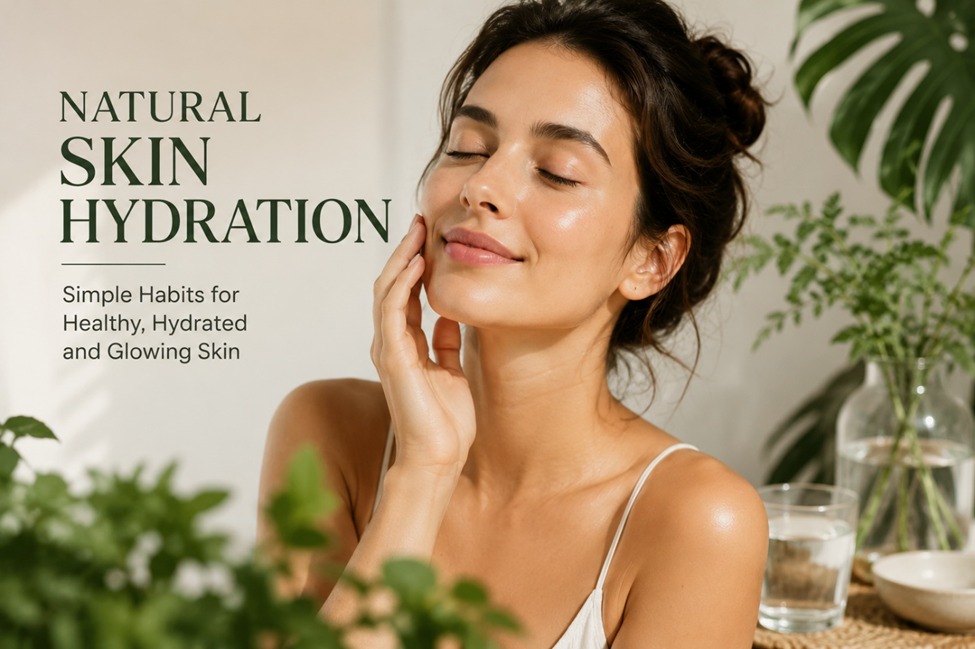
Natural Skin Hydration:
Natural skin hydration is one of the most important factors in maintaining healthy, smooth, and youthful-looking skin. Hydrated skin not only feels softer and more comfortable but also performs its protective functions more effectively. Many people focus only on moisturizers, but true skin hydration depends on a combination of healthy habits, proper nutrition, skincare choices, and environmental protection. By understanding how your skin retains moisture and what causes dehydration, you can build a routine that keeps your complexion naturally radiant throughout the year.
What Is Natural Skin Hydration?
Natural skin hydration refers to your skin’s ability to maintain the right balance of water and natural oils. The outer layer of the skin, known as the skin barrier, works to prevent excessive moisture loss while protecting against bacteria, pollutants, and other environmental irritants.
When the skin barrier remains healthy, your skin feels soft, elastic, and comfortable. If this barrier becomes damaged, moisture escapes more easily, resulting in dryness, rough texture, irritation, and increased sensitivity.
Supporting your skin’s natural hydration process is essential for maintaining long-term skin health.
Why Hydrated Skin Is Important
Proper hydration affects both the appearance and function of your skin.
Well-hydrated skin appears smoother, brighter, and more youthful because moisture helps maintain elasticity. Hydration also supports faster skin repair, improves flexibility, and reduces the appearance of fine lines caused by dehydration.
Healthy moisture levels strengthen the skin’s natural defense system, making it more resistant to environmental damage and irritation.
Common Causes of Dehydrated Skin
Many everyday habits contribute to moisture loss without people realizing it.
Long hot showers, harsh cleansers, excessive sun exposure, air conditioning, indoor heating, pollution, aging, and insufficient water intake can all reduce the skin’s hydration levels.
Certain skincare products containing high amounts of alcohol or strong fragrances may also weaken the skin barrier over time.
Recognizing these factors allows you to make small changes that produce lasting improvements.
Drink Enough Water Every Day
Healthy skin begins from within.
Drinking adequate water supports circulation, nutrient delivery, and many essential body functions. Although drinking water alone cannot completely solve dry skin, proper hydration contributes significantly to healthier skin when combined with a consistent skincare routine.
Daily water needs vary based on activity level, climate, and overall health, so maintaining regular hydration throughout the day is beneficial.
Choose Gentle Cleansers
Cleansing removes dirt, oil, and environmental pollutants, but harsh cleansers may strip away natural protective oils.
Choose mild, pH-balanced cleansers that clean the skin without damaging its moisture barrier. Washing your face twice daily is generally sufficient for most skin types.
Using lukewarm water instead of hot water also helps preserve your skin’s natural hydration.
Moisturize to Lock in Hydration
Moisturizers play an important role by reducing water loss from the skin’s surface.
Ingredients such as hyaluronic acid, glycerin, ceramides, aloe vera, and squalane help attract and retain moisture while strengthening the skin barrier.
Applying moisturizer immediately after cleansing helps seal hydration into the skin for longer-lasting comfort.
Eat Foods That Support Skin Hydration
Nutrition provides the building blocks your skin needs to remain healthy.
Fresh fruits, vegetables, healthy fats, nuts, seeds, and fatty fish contain vitamins, minerals, antioxidants, and essential fatty acids that help support the skin barrier.
Foods with high water content, such as cucumbers, watermelon, oranges, strawberries, and lettuce, also contribute to overall hydration.
A balanced diet supports both skin health and overall wellness.
Protect Your Skin from Environmental Damage
External conditions can quickly reduce your skin’s moisture levels.
Sun exposure, wind, cold weather, and pollution all place stress on the skin barrier. Daily sunscreen use, protective clothing, and limiting prolonged exposure to harsh weather help reduce moisture loss.
Using a humidifier during dry seasons may also improve indoor humidity and help your skin retain moisture.
Lifestyle Habits That Improve Skin Hydration
Healthy daily habits have a major influence on your skin’s moisture balance.
- Drink enough water every day, use a gentle cleanser, moisturize after washing, wear sunscreen daily, avoid very hot showers, eat water-rich foods, and get enough quality sleep.
Following these habits consistently helps maintain naturally hydrated and healthier-looking skin.
Signs Your Skin Needs More Hydration
Your skin often gives clear signals when hydration levels become too low.
Common signs include tightness after cleansing, rough texture, flaking, dull appearance, increased sensitivity, fine dehydration lines, itching, and reduced elasticity.
Responding early with proper skincare and hydration can prevent these symptoms from becoming more severe.
Can Natural Hydration Slow Premature Aging?
Maintaining healthy skin hydration supports a smoother and more youthful appearance.
Although hydration cannot stop the natural aging process, well-moisturized skin often shows fewer visible dehydration lines and maintains better elasticity. A healthy skin barrier also reduces environmental damage that contributes to premature aging.
Consistent hydration remains one of the simplest ways to improve the long-term appearance of your skin.
Supporting Your Daily Skincare Routine
Natural hydration works best when healthy habits are combined with suitable skincare products. Cleansing gently, moisturizing consistently, staying hydrated, and protecting your skin from the sun all work together to support healthy skin. If you choose to include a daytime moisturizer in your routine, Fyto – Whitening Day Cream can complement these daily skincare practices while helping maintain soft and comfortable skin.
Final Thoughts
Achieving natural skin hydration does not require an overly complicated skincare routine. Healthy skin depends on protecting the skin barrier, drinking enough water, eating nutritious foods, using gentle skincare products, and maintaining consistent daily habits.
Small improvements made every day often produce the greatest long-term results. By caring for your skin from both the inside and outside, you can enjoy softer, healthier, and naturally glowing skin throughout every season.
