
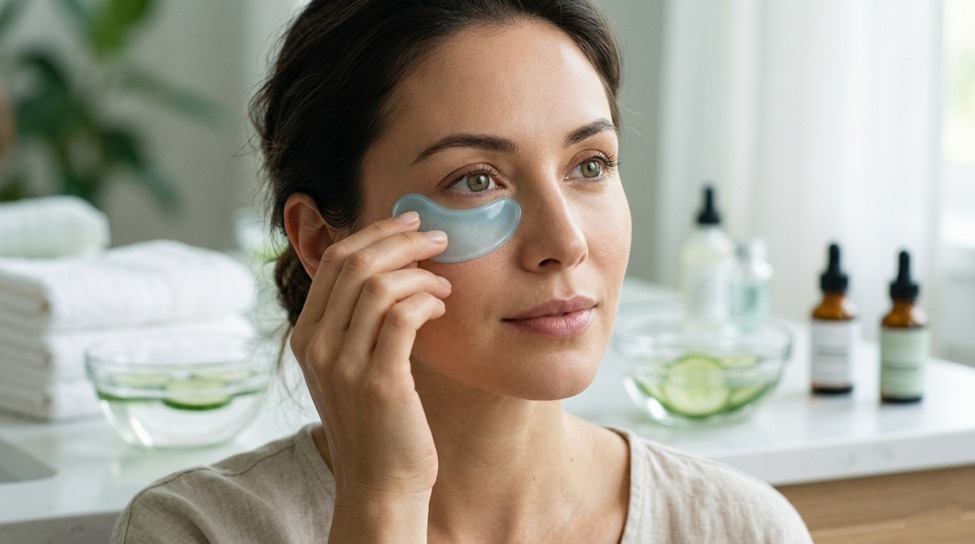
Puffy eyes are a common concern that can affect people of all ages. They often make the face appear tired, stressed, or older than it actually is. While occasional puffiness is usually harmless, persistent swelling around the eyes can be frustrating and may affect self-confidence. Understanding Puffy eyes causes and treatment options can help you identify the underlying factors and adopt effective strategies to reduce under-eye swelling and maintain a refreshed appearance.
What Are Puffy Eyes?
Puffy eyes refer to mild swelling or puffiness around the eye area, particularly beneath the lower eyelids. This condition can occur temporarily after waking up or become more noticeable due to lifestyle habits, aging, allergies, or other factors.
The skin around the eyes is extremely delicate and thin, making even minor fluid retention or inflammation more visible than in other areas of the face.
Common Causes of Puffy Eyes
There are several reasons why puffiness may develop around the eyes. In many cases, multiple factors contribute to the condition.
Lack of Sleep
Sleep deprivation is one of the most common causes of puffy eyes. When the body does not get enough rest, fluid can accumulate around the eyes, leading to visible swelling.
Poor sleep quality may also contribute to dark circles and a tired-looking complexion.
Fluid Retention
Excess salt intake can cause the body to retain water, resulting in puffiness throughout the body, including the eye area. Fluid retention is often more noticeable in the morning after lying down overnight.
Reducing sodium consumption and maintaining proper hydration can help minimize this issue.
Aging
As people age, the tissues and muscles that support the eyelids gradually weaken. Fat that normally supports the eyes may shift into the lower eyelids, creating a puffy appearance.
Additionally, the skin loses elasticity and firmness over time, making puffiness more noticeable.
Allergies
Seasonal allergies and allergic reactions can trigger inflammation around the eyes. Allergies may cause itching, redness, and swelling due to the release of histamines in the body.
Managing allergies appropriately can help reduce recurring eye puffiness.
Stress and Fatigue
Physical and emotional stress can negatively affect overall health and contribute to puffiness around the eyes. Stress often disrupts sleep patterns, which may worsen the appearance of under-eye swelling.
Excessive Screen Time
Prolonged exposure to digital screens can cause eye strain and fatigue. Tired eyes may appear swollen and less refreshed, particularly after extended periods of screen use.
Dehydration
When the body lacks sufficient water, it may compensate by retaining fluids. This can contribute to puffiness around the eyes and other areas of the face.
How Aging Affects the Eye Area
The eye area undergoes several natural changes with age. Collagen and elastin production decline, reducing skin firmness and elasticity. These changes can lead to sagging skin, fine lines, and more prominent puffiness.
While aging cannot be prevented, adopting a proactive skincare routine can help maintain healthier-looking skin and reduce visible signs of aging.
Prevention Tips for Puffy Eyes
Preventing puffiness often involves making simple lifestyle adjustments that support overall health and skin wellness.
Helpful Habits to Reduce Puffiness
- Get seven to nine hours of sleep each night
- Limit excessive salt consumption
- Stay hydrated throughout the day
- Manage allergies effectively
- Take regular breaks from digital screens
- Sleep with your head slightly elevated
Following these habits consistently may help reduce the frequency and severity of under-eye puffiness.
Natural Ways to Reduce Puffy Eyes
Several simple methods can help improve the appearance of puffy eyes naturally.
Cold Compresses
Applying a cool compress to the eye area can help reduce swelling by constricting blood vessels. This is one of the most common and effective short-term solutions for puffiness.
Proper Hydration
Drinking enough water supports healthy circulation and helps prevent fluid retention that may contribute to under-eye swelling.
Gentle Eye Massage
A gentle massage around the eye area may help encourage lymphatic drainage and reduce fluid buildup. Care should be taken not to pull or stretch the delicate skin.
Balanced Nutrition
A healthy diet rich in vitamins, minerals, and antioxidants supports overall skin health and may contribute to a fresher appearance around the eyes.
Skincare Ingredients That May Help
Certain skincare ingredients are commonly used to improve the appearance of puffiness and support healthier skin around the eyes.
Caffeine
Caffeine is often included in eye care products because it may help reduce the appearance of puffiness and tired-looking eyes.
Hyaluronic Acid
This ingredient helps maintain hydration and can improve the appearance of smoothness around the eyes.
Peptides
Peptides help support skin structure and may contribute to firmer-looking skin with consistent use.
Antioxidants
Antioxidants help protect the skin from environmental stressors that can accelerate visible signs of aging.
Understanding Puffy Eyes Causes and Treatment
When discussing puffy eyes causes and treatment, it is important to recognize that there is rarely a single solution for everyone. Effective management depends on identifying the underlying cause, whether it is lack of sleep, aging, allergies, fluid retention, or lifestyle factors. Combining healthy habits with targeted skincare products can often provide the best results for maintaining a refreshed and youthful-looking eye area.
Supporting Your Eye Care Routine
A dedicated eye care routine can help address common concerns such as puffiness, fine lines, and dryness. Products formulated specifically for the delicate eye area often contain ingredients that support hydration and skin renewal. Fyto –Retinol Eye Serum can be incorporated into a skincare routine to help improve the appearance of the eye area and support smoother, healthier-looking skin over time.
Final Thoughts
Puffy eyes are a common concern that can result from various factors, including lack of sleep, aging, allergies, dehydration, and fluid retention. Understanding the underlying causes makes it easier to choose appropriate prevention and treatment strategies. By maintaining healthy lifestyle habits, staying hydrated, protecting the skin, and following a consistent skincare routine, you can reduce the appearance of puffiness and enjoy a brighter, more refreshed look around the eyes.
