
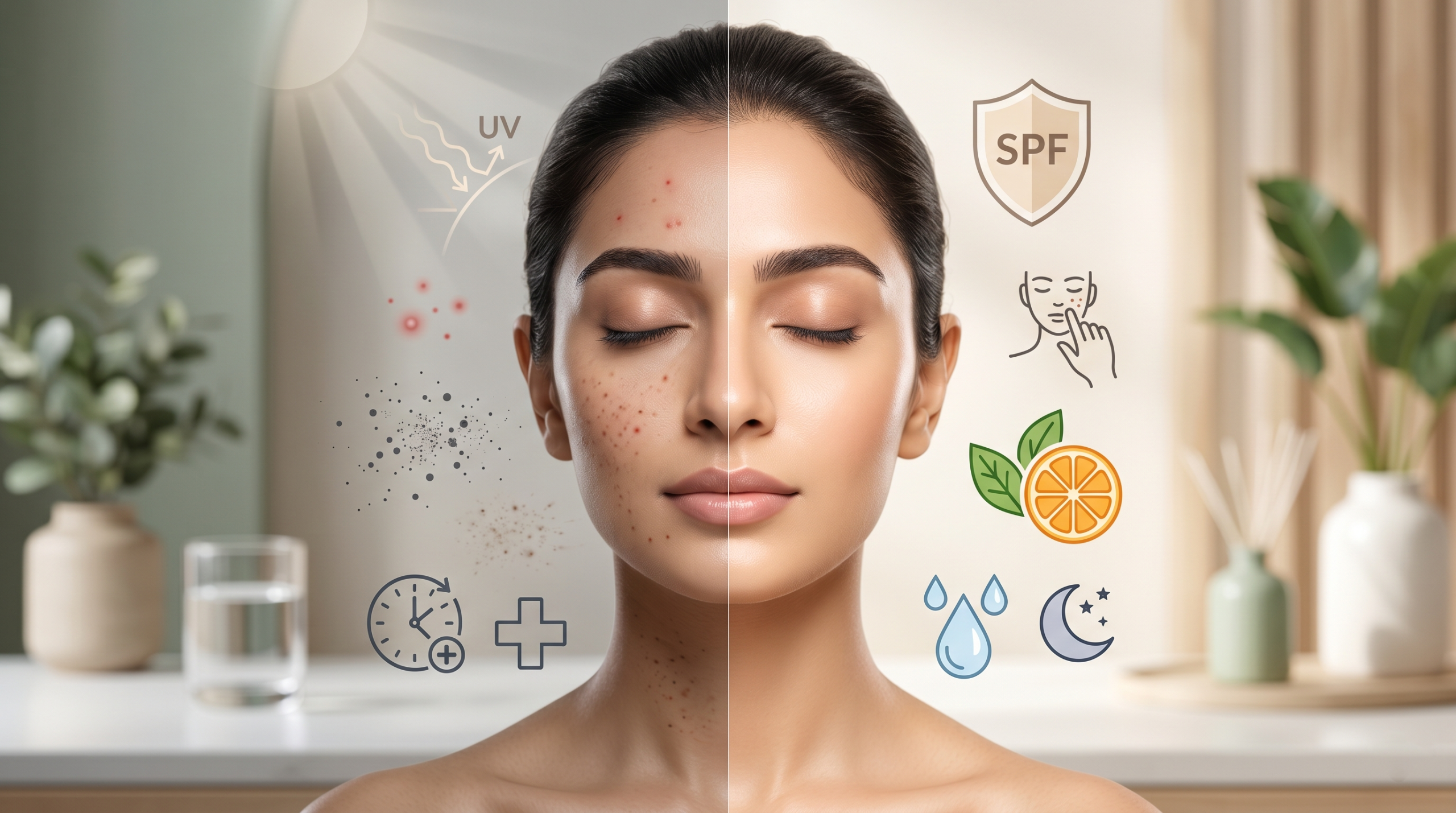
Dark spots on the face are one of the most common skin concerns among men and women in Pakistan. Whether they appear after acne, sun exposure, or skin irritation, these patches can make the complexion look uneven and tired. Understanding what causes dark spots is the first step toward preventing them and maintaining healthier-looking skin.
What Are Dark Spots?
Dark spots, also known as hyperpigmentation, occur when certain areas of the skin produce excess melanin, the pigment responsible for skin color. These spots can vary in size and shade and may appear on the cheeks, forehead, nose, or chin.
While dark spots are generally harmless, many people seek ways to reduce their appearance for a more even skin tone.
1. Excessive Sun Exposure
One of the leading causes of dark spots is prolonged exposure to ultraviolet (UV) rays. When your skin is exposed to sunlight, it produces more melanin as a natural defense mechanism. Over time, this can lead to visible pigmentation and sun spots.
How to Prevent It
- Apply sunscreen daily, even on cloudy days.
- Wear hats or seek shade during peak sunlight hours.
- Reapply sunscreen every few hours when outdoors.
2. Acne and Post-Inflammatory Hyperpigmentation
Many people notice dark marks after pimples heal. This condition is called post-inflammatory hyperpigmentation (PIH). The skin produces extra pigment during the healing process, leaving behind brown or dark patches.
How to Prevent It
- Avoid picking or squeezing pimples.
- Follow a consistent skincare routine.
- Treat acne early to reduce inflammation.
3. Hormonal Changes
Hormonal fluctuations can trigger a condition known as melasma, which often appears as dark patches on the cheeks, forehead, or upper lip. Pregnancy, birth control medications, and hormonal imbalances can contribute to this issue.
How to Prevent It
- Use daily sun protection.
- Consult a healthcare professional if hormonal issues are suspected.
- Maintain a gentle skincare routine.
4. Skin Injuries and Irritation
Cuts, burns, allergic reactions, and harsh skincare products can cause inflammation that may result in dark spots during healing.
How to Prevent It
- Avoid aggressive scrubs and harsh treatments.
- Perform patch tests before trying new products.
- Allow skin injuries to heal naturally.
5. Aging
As people age, years of sun exposure can become more visible in the form of age spots or liver spots. These typically appear on areas frequently exposed to sunlight.
How to Prevent It
- Use sunscreen consistently throughout life.
- Incorporate antioxidant-rich skincare products.
- Protect the skin from excessive UV exposure.
6. Pollution and Environmental Stress
Environmental pollutants can generate free radicals that damage skin cells and contribute to uneven skin tone and pigmentation over time.
How to Prevent It
- Cleanse your face daily.
- Use antioxidant-rich skincare products.
- Remove makeup before sleeping.
7. Certain Medications and Medical Conditions
Some medications can increase sensitivity to sunlight, making the skin more prone to pigmentation. Certain health conditions may also contribute to dark spots.
How to Prevent It
- Follow medical advice regarding medication use.
- Use sun protection if taking photosensitizing medications.
- Discuss persistent pigmentation with a healthcare professional.
Additional Tips for Preventing Dark Spots
Besides addressing the specific causes, these habits can help maintain a more even-looking complexion:
- Stay hydrated throughout the day.
- Eat a balanced diet rich in fruits and vegetables.
- Get enough sleep.
- Avoid excessive sun exposure.
- Follow a consistent skincare routine.
- Use products that support skin renewal and brightness.
How Vitamin C Can Support Brighter-Looking Skin
Vitamin C is widely known in skincare for its antioxidant properties. It helps protect the skin from environmental stressors and supports a more radiant, even-looking complexion. Many people include Vitamin C products in their daily skincare routine to help improve the appearance of dull skin and visible discoloration.
For those looking to add a Vitamin C product to their skincare regimen, Fyto Vitamin C Serum is formulated to support brighter-looking skin and a more even complexion. When used consistently alongside sunscreen and a proper skincare routine, it can be a helpful addition for maintaining healthy-looking skin.
Final Thoughts
Dark spots can develop for many reasons, including sun exposure, acne, hormonal changes, aging, and environmental factors. While they often take time to fade, understanding their causes can help you take the right preventive measures.
A combination of sun protection, healthy skincare habits, and ingredients that support skin brightness can help improve overall skin appearance and reduce the likelihood of future pigmentation concerns.
